
Fruit juice

High-intensity pulsed electric fields are being used as an alternative to heat pasteurization in fruit juices. Heat treatments sometimes fail to make a quality, microbiologically stable product. However, it was found that processing with high-intensity pulsed electric fields (PEF) can be applied to fruit juices to provide a shelf-stable and safe product.[19] In addition, it was found that pulsed electric fields provide a fresh-like product with high nutritional value.[20] Pulsed electric field processing is a type of nonthermal method for food preservation.[21]
Pulsed electric fields use short pulses of electricity to inactivate microbes. In addition, the use of PEF results in minimal detrimental effects on the quality of the food. PEFs kill microorganisms and provide better maintenance of the original colour, flavour, and nutritional value of the food as compared to heat treatments. This method of preservation works by placing two electrodes between liquid juices, then applying high-voltage pulses for microseconds to milliseconds. The high-voltage pulses have an intensity in the range of 10 to 80 kV/cm.
The processing time of the juice is calculated by multiplying the number of pulses by the effective pulse duration. The high voltage of the pulses produces an electric field that results in the inactivation of microbes that may be present in the juice. The PEF temperatures are below the temperatures used in thermal processing. After the high-voltage treatment, the juice is aseptically packaged and refrigerated. Juice is also able to transfer electricity due to the presence of several ions from the processing. When the electric field is applied to the juice, electric currents are then able to flow into the liquid juice and be transferred around due to the charged molecules in the juice. Therefore, pulsed electric fields are able to inactivate microorganisms, extend shelf life, and reduce the enzymatic activity of the juice while maintaining similar quality as the original, fresh-pressed juice.
Emerging or aspirational technologies
Fruit juices contain compounds that can be undesirable to consumers. Apple juices can be cloudy, and grapefruit juices can be b
Description
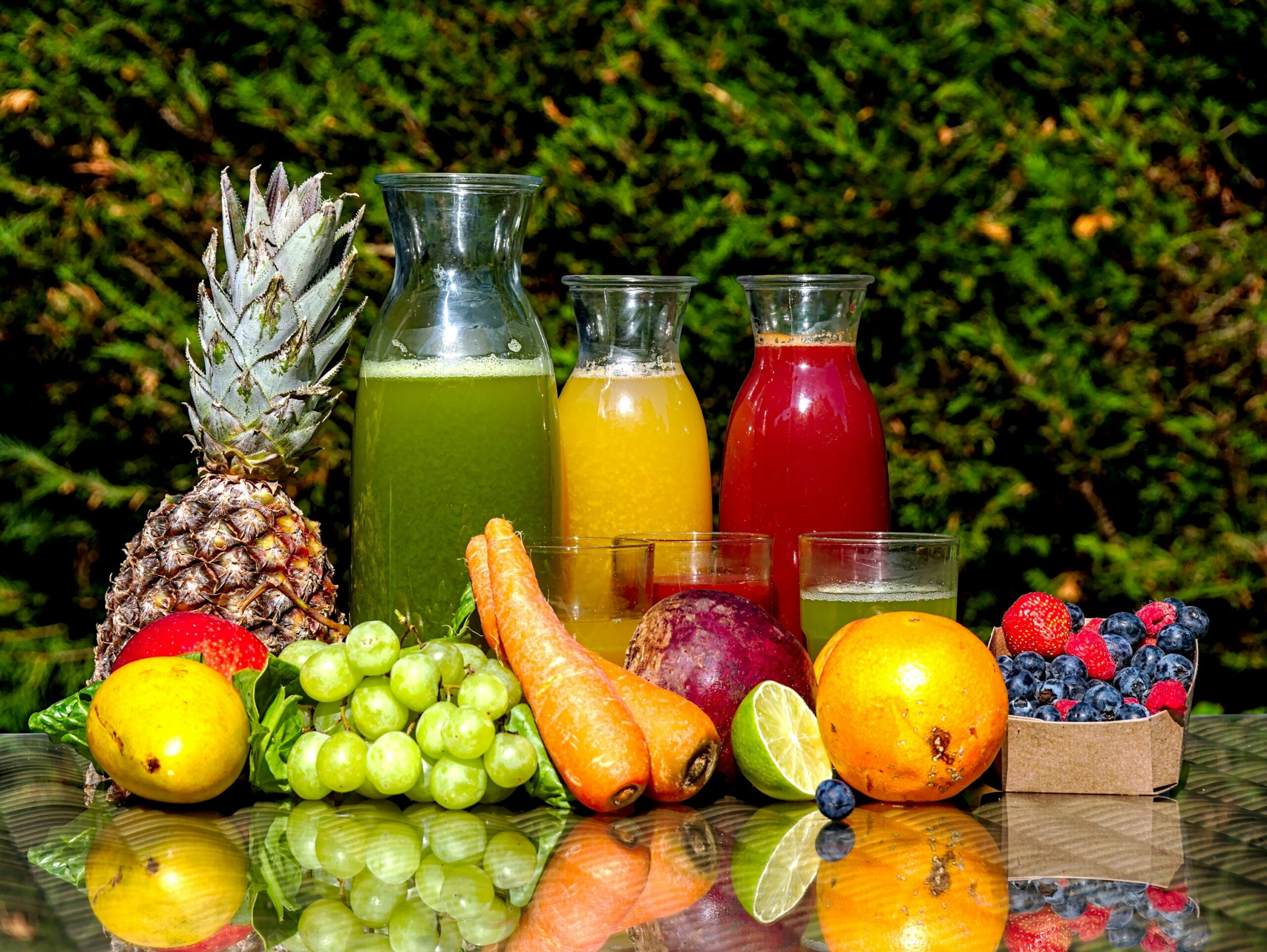
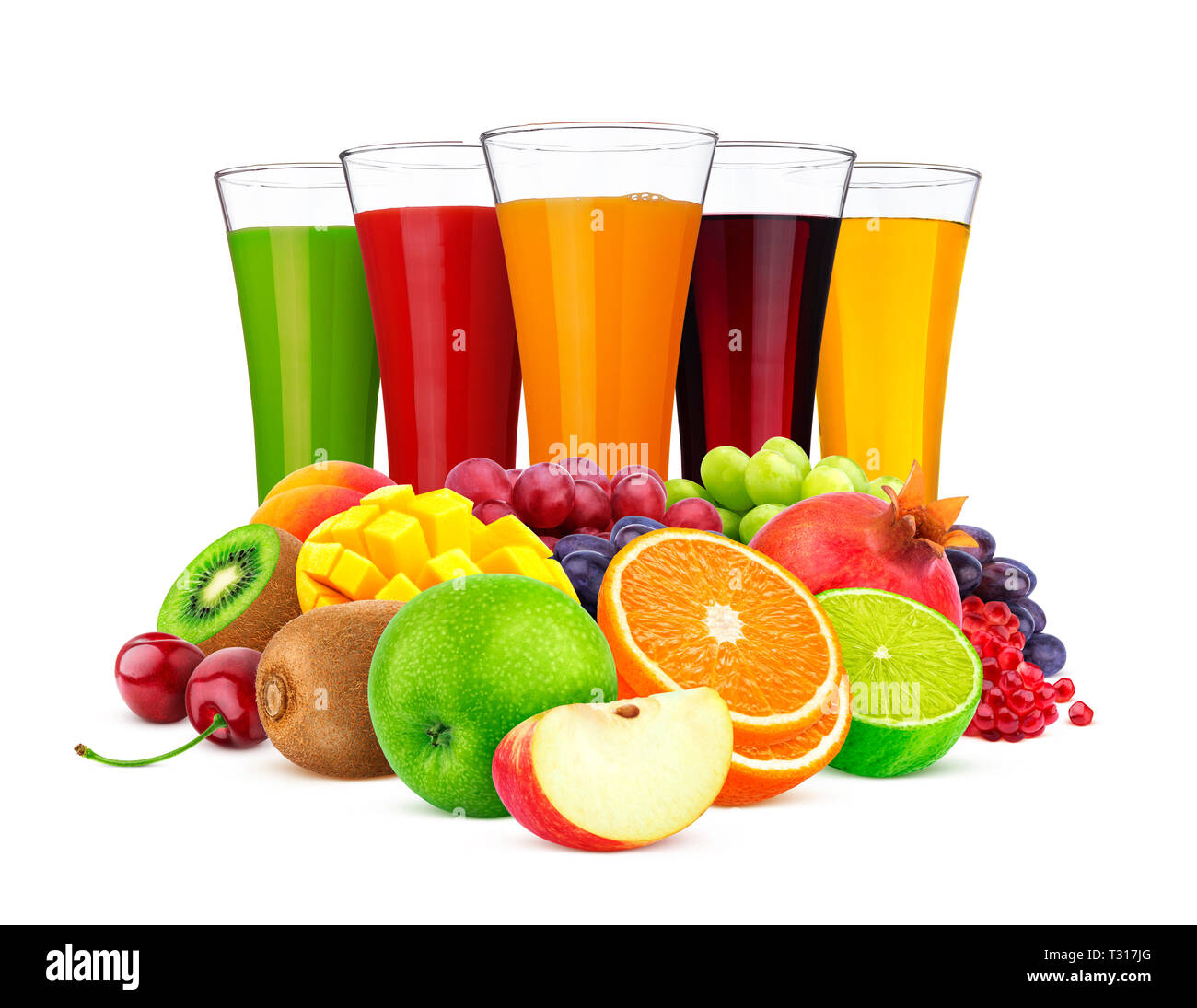
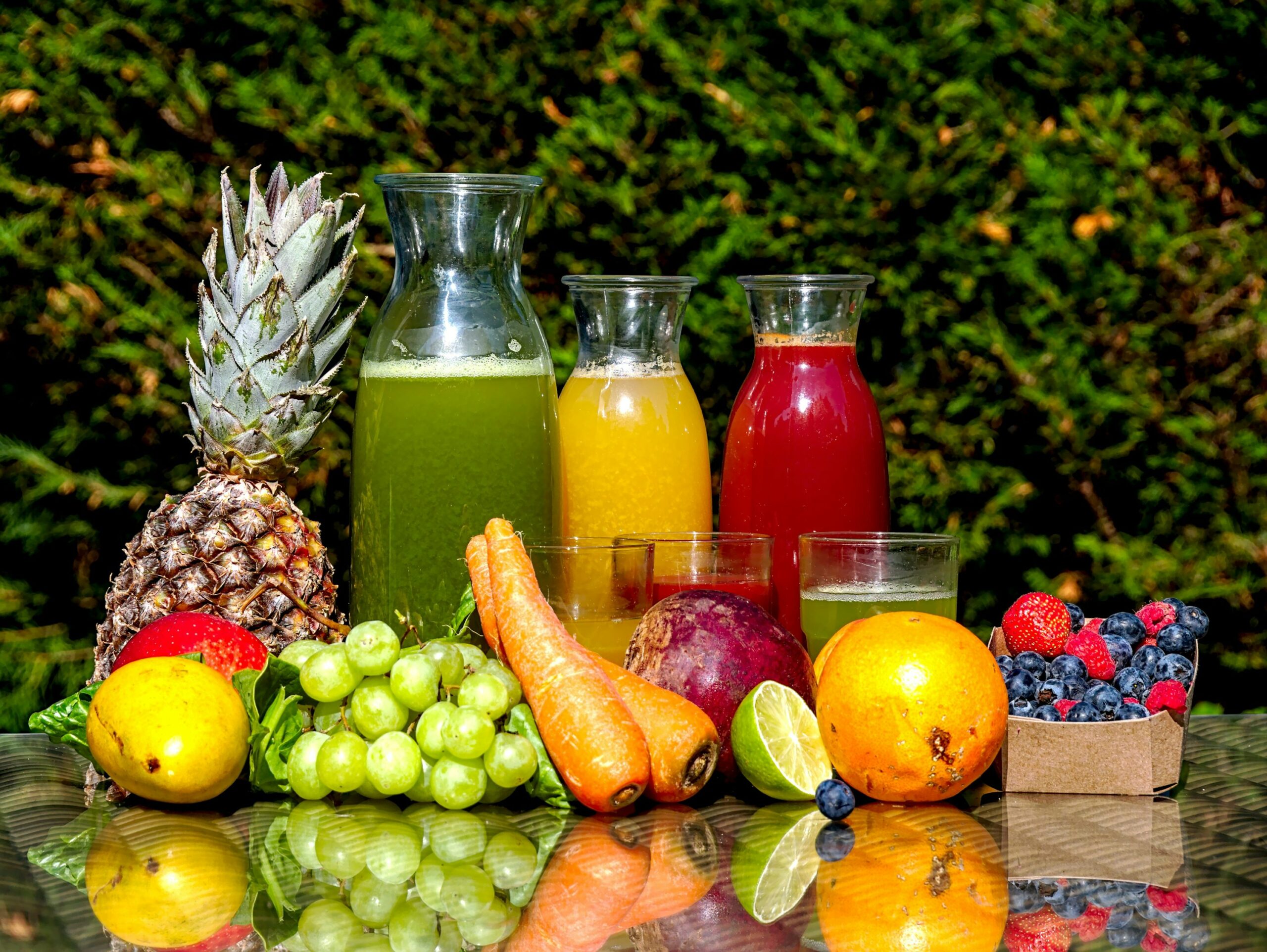
Juice is a drink made from the extraction or pressing of the natural liquid contained in fruit and vegetables. It can also refer to liquids that are flavored with concentrate or other biological food sources, such as meat or seafood, such as clam juice. Juice is commonly consumed as a beverage or used as an ingredient or flavoring in foods or other beverages, such as smoothies. Juice emerged as a popular beverage choice after the development of pasteurization methods enabled its preservation without using fermentation (which is used in wine production).[1] The largest fruit juice consumers are New Zealand (nearly a cup, or 8 ounces, each day) and Colombia (more than three quarters of a cup each day). Fruit juice consumption on average increases with a country’s income level.[2]
Etymology

The word “juice” developed around the year 1300 from the Old French words jus, juis, jouis (“liquid obtained by boiling herbs”).[3] The Old French jus (“juice, sap, liquid”) (13c.) came from Latin ius (“broth, sauce, juice, soup”), from the Proto-Indo-European root *yeue– (“to blend, mix food”) (cognates: Sanskrit yus “broth”, Greek zyme “a leaven”, Old Church Slavonic jucha “broth, soup”, Russian: уха ukha, Lithuanian: juse “fish soup”).[3]
The use of the word “juice” to mean “the watery part of fruits or vegetables” was first recorded in the early 14th century.[3] Since the 19th century, the term “juice” has also been used in a figurative sense (e.g., to mean alcohol or electricity).[4] Today, “au jus” refers to meat served along with its own juice, commonly as a gravy.[citation needed]
History
Groups of grape pits dated to 8000 BCE show early evidence of juice production, although it is thought that the grapes may have been alternatively used to produce wine.[5] One of the first regularly produced juices was lemonade, which appeared in 16th-century Italy as an import after its conception in the Middle East. Orange juice originated in the 17th century. In the 18th century, James Lind linked citrus fruits to the prevention of scurvy, which, a century later, led to the implementation of the Merchant Shipping Act 1867, requiring all ocean-bound British ships to carry citrus-based juice on board.[6]
In 1869, a dentist by the name of Thomas B. Welch developed a pasteurization method that allowed for the storage of juice without the juice fermenting into alcohol. His method involved filtering squeezed grape juice into bottles, sealing them with cork and wax, and then placing them in boiling water. This method kills the yeast responsible for fermentation. He then sold his new product as “Dr. Welch’s Unfermented Wine”.[7] In the late 18th-century United States, the circulation of foreign fruit juices was heavily regulated by tariffs. The McKinley Tariff Act of 1890 increased import taxes from 38 to 49.5 percent and set taxes on fruit juices based on the alcohol content of the drink. Juices with 18% or less alcohol were taxed at 60 cents per gallon, while anything above 18% was taxed at US$2.50 per proof gallon
Reviews
There are no reviews yet.