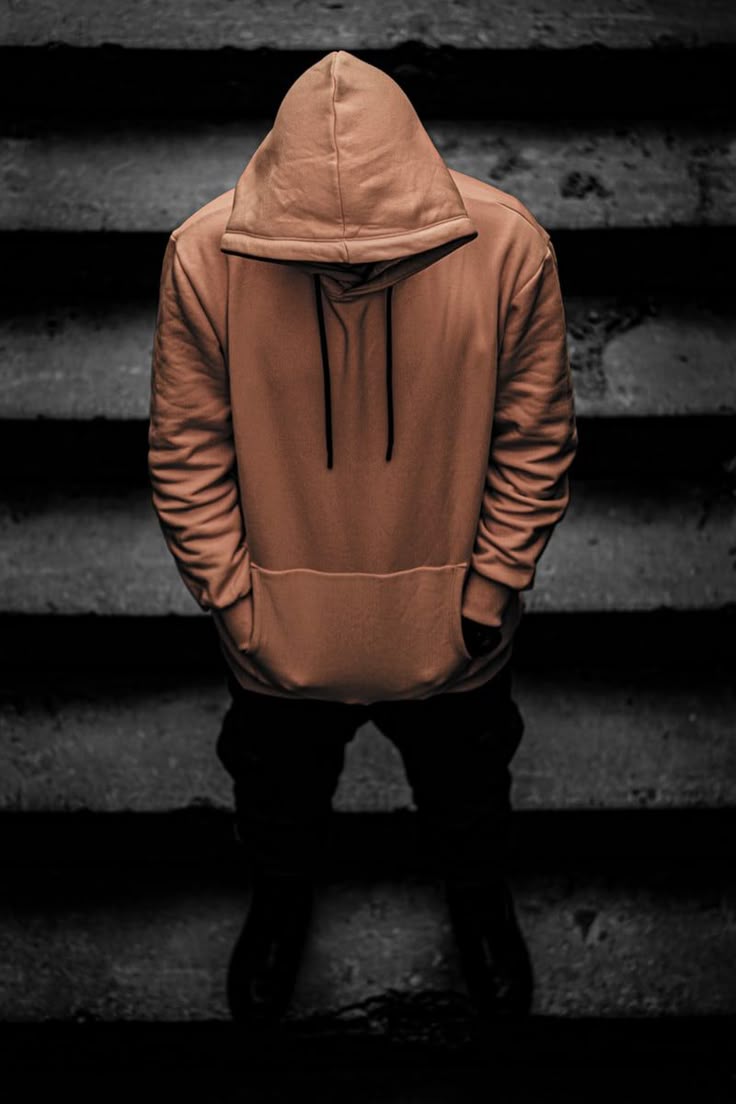
In the early 21st century, the image of hackers became associated with hoodies.[11][12] Elliot Alderson, the protagonist of Mr Robot, is a vigilante hacker who constantly wears a black hoodie.[12]
By country
Australia
In June 2011, police in Wynnum, Brisbane, Australia launched a "Hoodie Free Zone" initiative, with shopkeepers encouraged to ask hoodie-wearers to leave. The zone was part of an initiative to educate businesses on how to avoid armed robberies, in which the hoodie type of clothing was reportedly often worn.[13]
Canada
Across Canada, hoodies are a popular clothing item. They are sometimes worn under a coat or jacket to provide an extra layer of clothing during the winter. In Saskatchewan, only the zipperless, pullover version of the garment is referred to as the noun "Bunny Hug.
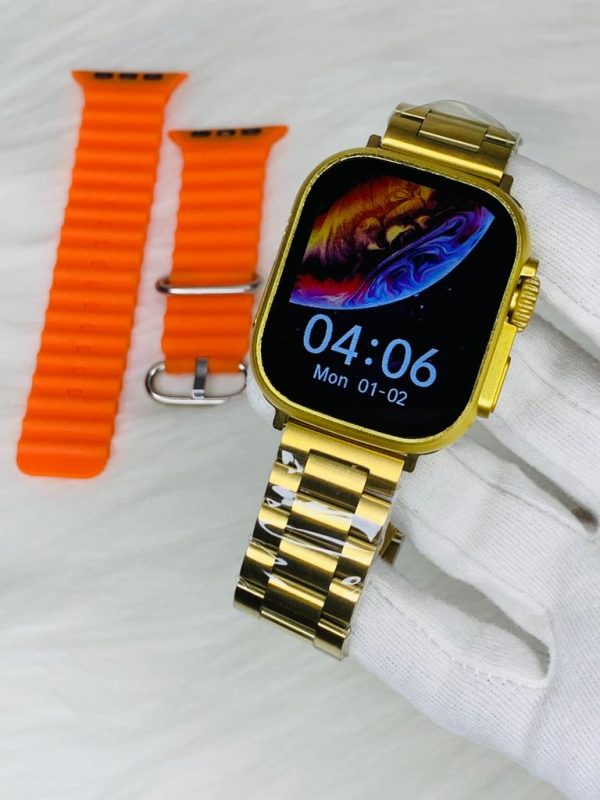
LN LENQIN Mens Watches Analog Quartz Sports Unisex 30M Waterproof Nurse Watch for Men Women Medical Professionals Military Time with Second Hand Glowing Easy to Read Dial
A T-shirt typically extends to the waist. Variants of the T-shirt, such as the V-neck, have been developed. Hip hop fashion calls for tall-T shirts which may extend down to the knees. A similar item is the T-shirt dress or T-dress, a dress-length T-shirt that can be worn without pants.[9] Long T-shirts are also sometimes worn by women as nightgowns. A 1990s trend in women's clothing involved tight-fitting cropped T-shirts, called crop tops, short enough to reveal the midriff. Another less popular trend is wearing a short-sleeved T-shirt of a contrasting color over a long-sleeved T-shirt, which is known as layering. Tight-fitting T-shirts are called fitted, tailored or baby doll T-shirts.
The rise of social media and video sharing sites led to the growth of tutorials on DIY T-shirt projects.[10] These videos typically provide instructions on how to modify an old shirt into a new, more fashionable form.
Expressive messages
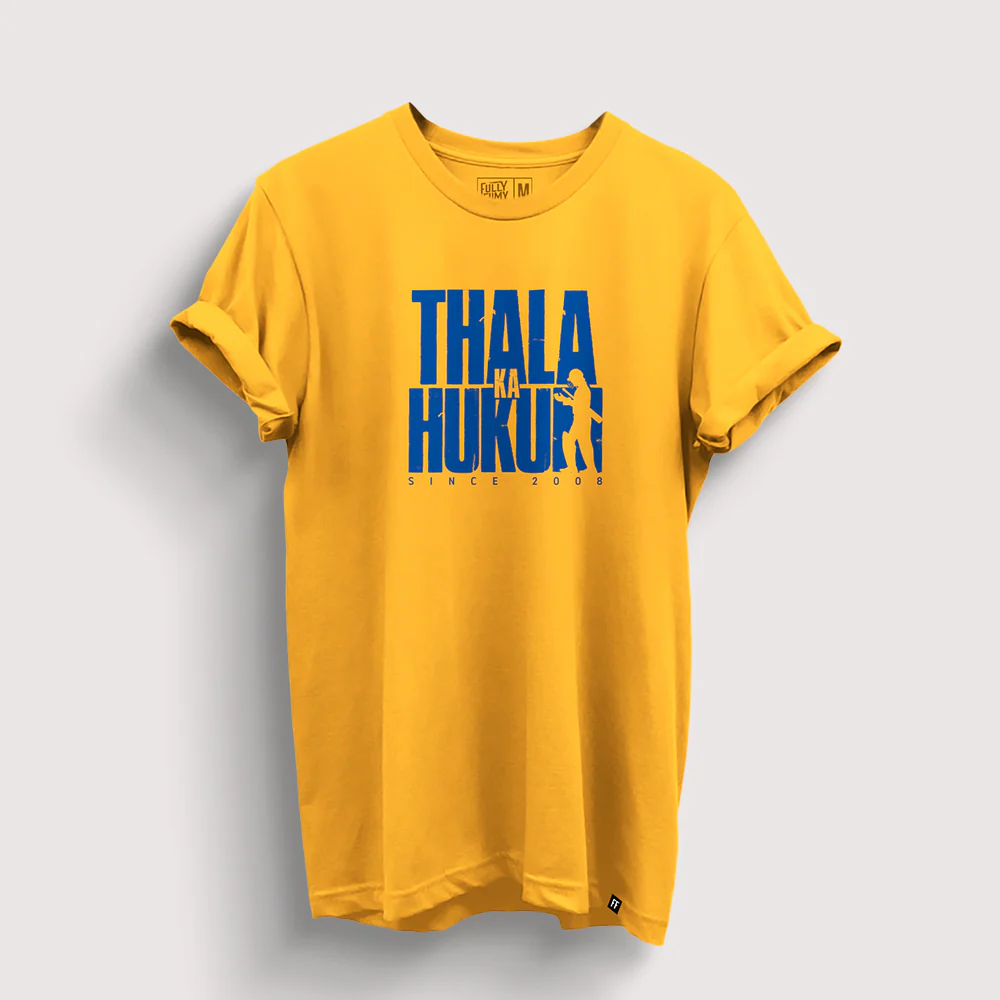
Since the 1960s, T-shirts have flourished as a form of personal expression.[8]Screen printed T-shirts have been a standard form of marketing for major American consumer products, such as Coca-Cola and Mickey Mouse, since the 1970s. They have also been commonly used to commemorate an event or make a political or personal statement. Since the 1990s, it has become common practice for companies of all sizes to produce T-shirts with their corporate logos or messages as part of their overall advertising campaigns. Since the late 1980s and especially the 1990s, T-shirts with prominent designer-name logos have become popular, especially with teenagers and young adults. These garments allow consumers to flaunt their taste for designer brands in an inexpensive way, in addition to being decorative. Examples of designer T-shirt branding include Calvin Klein, FUBU, Ralph Lauren, American Apparel, and The Gap. These examples also include representations of rock bands, among other obscure pop-culture references. Licensed T-shirts are also extremely popular. Movie and TV T-shirts can have images of the actors, logos, and funny quotations from the movie or TV show. Often, the most popular T-shirts are those that characters wore in the film itself (e.g., Bubba Gump from Forrest Gump and Vote For Pedro from Napoleon Dynamite).
₨1,000.00Original price was: ₨1,000.00.₨800.00Current price is: ₨800.00.
These shoes acquired the nickname 'plimsoll' in the 1870s,[9] derived according to Nicholette Jones' book The Plimsoll Sensation, from the colored horizontal band joining the upper to the sole, which resembled the Plimsoll line on a ship's hull. Alternatively, just like the Plimsoll line on a ship, if water got above the line of the rubber sole, the wearer would get wet.[10]
Plimsolls were widely worn by vacationers and also began to be worn by sportsmen on the tennis and croquet courts for their comfort. Special soles with engraved patterns to increase the surface grip of the shoe were developed, and these were ordered in bulk for the use of the British Army. Athletic shoes were increasingly used for leisure and outdoor activities at the turn of the 20th century - plimsolls were even found with the ill-fated Scott Antarctic expedition of 1911. Plimsolls were commonly worn by pupils in schools' physical education lessons in the UK from the 1950s until the early 1970s.[citation needed]
British company J.W. Foster and Sons designed and produced the first shoes designed for running in 1895; the shoes were spiked to allow for greater traction and speed. The company sold its high-quality handmade running shoes to athletes around the world, eventually receiving a contract for the manufacture of running shoes for the British team in the 1924 Summer Olympics. Harold Abrahams and Eric Liddell won the 100 m and 400 m events, kitted out with Foster's running gear.[11]A pair of traditional low-cut Converse Chuck Taylor All Star sneakers. Its design has remained largely unchanged.
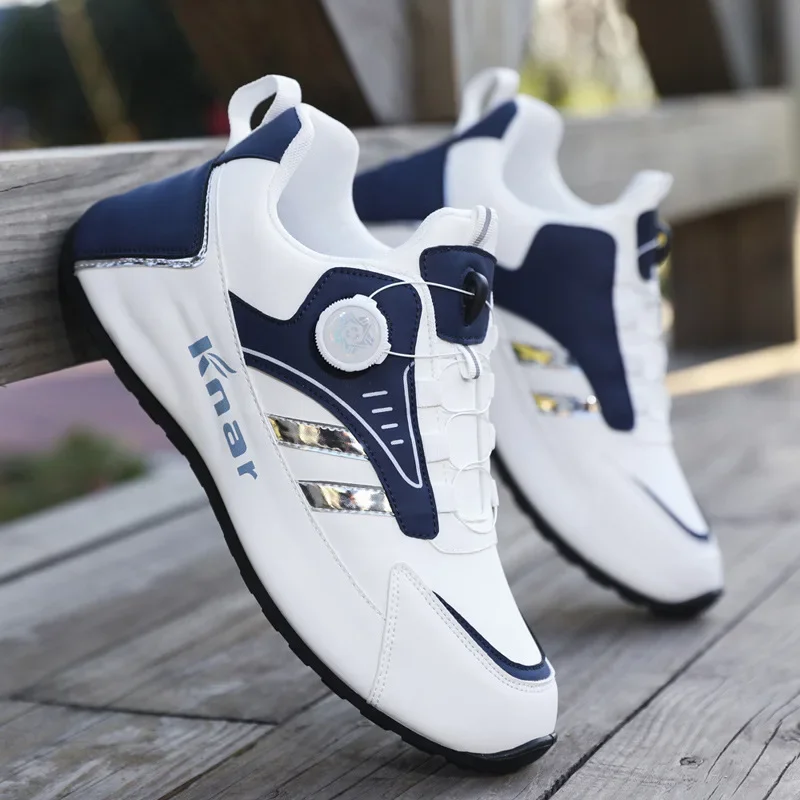
This style of footwear also became prominent in America at the turn of the 20th century, where they were called 'sneakers'. In 1892, the U.S. Rubber Company introduced the first rubber-soled shoes in the country, sparking a surge in demand and production. The first basketball shoes were designed by Spalding as early as 1907.[citation needed] The market for sneakers grew after World War I, when sports and athletics increasingly became a way to demonstrate moral fiber and patriotism. The U.S. market for sneakers grew steadily as young boys lined up to buy Converse All Stars sneakers endorsed by basketball playerChuck Taylor.
During the interwar period, athletic shoes began to be marketed for different sports, and differentiated designs were made available for men. Athletic shoes were used by competing athletes at the Olympics, helping to popularise them among the general public. In 1936, a French brand, Spring Court,[citation needed] marketed the first canvas tennis shoe featuring signature eight ventilation channels on a vulcanised natural rubber sole.



Reviews
There are no reviews yet.